
Monday, February 16, 2015
LegalTech 2015 - Conferences & trade show on the convergence of law and technology
On February 4, Richmond Computer attended the annual LegalTech conference in New York City. LegalTech is a combination of a trade show and educational conferences geared towards technology professionals and law practitioners.
Staff from Richmond Computer attended several conferences that dealt with the issues of security, challenges and opportunities related to offsite data services (i.e. "cloud computing"). The lectures were given by Microsoft employees, with panel discussions headed by experts in the legal field.
Following the conferences, Richmond Computer staff attended the trade show portion of LegalTech to discuss existing and emerging technologies in terms of tools and applications used both for e-discovery applications (such as digital forensics) and office based systems (Microsoft Azure, hosted Exchange platforms).
A brief video was produced of the highlights of the trip:
View more information on LegalTech

Sunday, February 1, 2015
SMS Witness - Smartphone text message transcription service development meeting
On Friday January 30, 2015, Richmond Computer staff attended a brunch in Egg Harbor City, New Jersey. Our team traveled by train to allow extra time to creatively collaborate ways to expand, improve and grow this popular service.
Friday, October 3, 2014
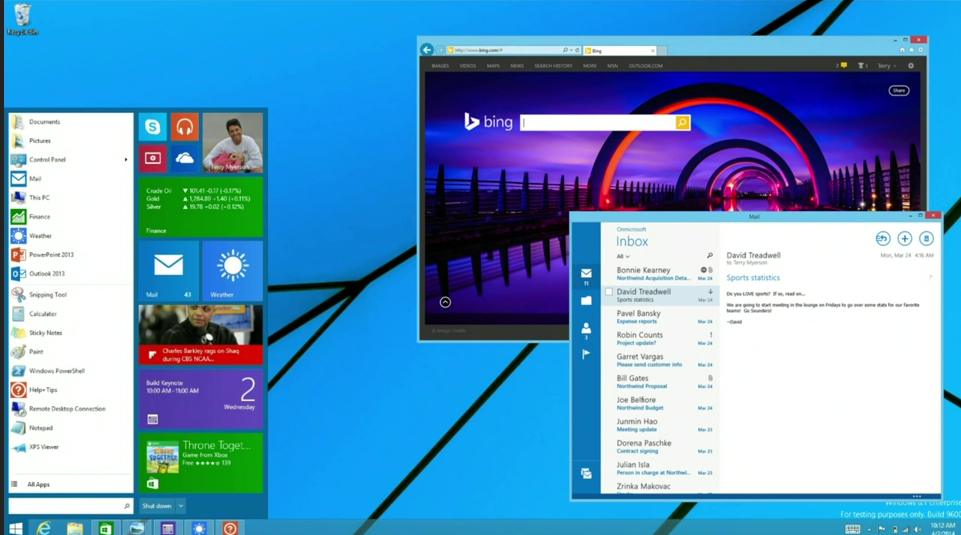
Microsoft Windows 10 - Preview of new features and spotlight on security
Following on the heels of Windows 8 and the problems associated with the acceptance of the Metro interface, Microsoft is preparing for the release of Windows 10 in the next few months.
Read more

Read more
Tuesday, May 6, 2014
Windows XP: Microsoft can't wash its hands of the security problem so easily
Late last week, Microsoft published an unexpected security update for a flaw in its Internet Explorer browser. Even more unexpected, the patch also covered Windows XP, which Microsoft officially stopped supporting back in early April.
Microsoft explained the change of heart by saying it had provided the security update "based on the proximity to the end of support for Windows XP".
Richmond Computer believes this update was forced out with pressure from the Department of Homeland security who advised the public not to use Microsoft Internet Explorer because of this security flaw.

Symantec calls antivirus 'doomed' as security giants fight for survival
Antivirus products are catching less than half of all cyberattacks and is no longer a money maker for companies that produce and support endpoint security products. While Microsoft continues to operate it's Security Essentials platform, it also has less than stellar results when it comes to blocking attacks.
Richmond Computer provides an antivirus solution for as low as $2/month. While our platform does not guarantee to stop all viruses, we do include the ability to catch viruses and deploy countermeasures in real time.

Monday, May 5, 2014
Bring the start menu back to Windows 8
Tired on the Metro screen on Windows 8? Now there's a solution:
http://candysoft.com/istartmenu/

Monday, March 10, 2014
The internet turns 25

In March 1989 the internet made its debut as an invention by Tim Berners-Lee and remains the fastest growing means of communication. While other forms of communication have evolved and modernized over time (mail, telegraph, telephone, etc), none have seen the endless amount of innovation that the internet has produced in such a short period of time.
The use of computers has vastly changed since 1989, which was a time when most computers were manufactured by IBM (who developed the IBM PC Jr.), had monochrome screens, and were usually stand-alone systems and not part of any network.
The early days of the internet not only used primitive machines, but also very slow means of communication by today's standards. When we mention the internet, most computer users think of the World Wide Web (www.yourfavoritewebsite.com), which the internet is not. The Internet is a global system of interconnected networks that use a standard protocol (TCP/IP) for communication. The internet is literally the connection of millions of private and public computer networks that consist of schools, businesses and government agencies, linked by a broad array of electronic, wireless, and optical networking technologies.
Today's internet use in simple terms consists of social uses, financial transactions, research, and sharing of data. While use of the internet did not go mainstream until 1995 with the release of Microsoft Windows 95 (the days when we all used dial-up modems), its use has rapidly developed and evolved, and has reshaped how we live our lives. This evolution will continue, and I'm sure future generations will look back on today's internet uses as primitive.
Subscribe to:
Posts (Atom)